
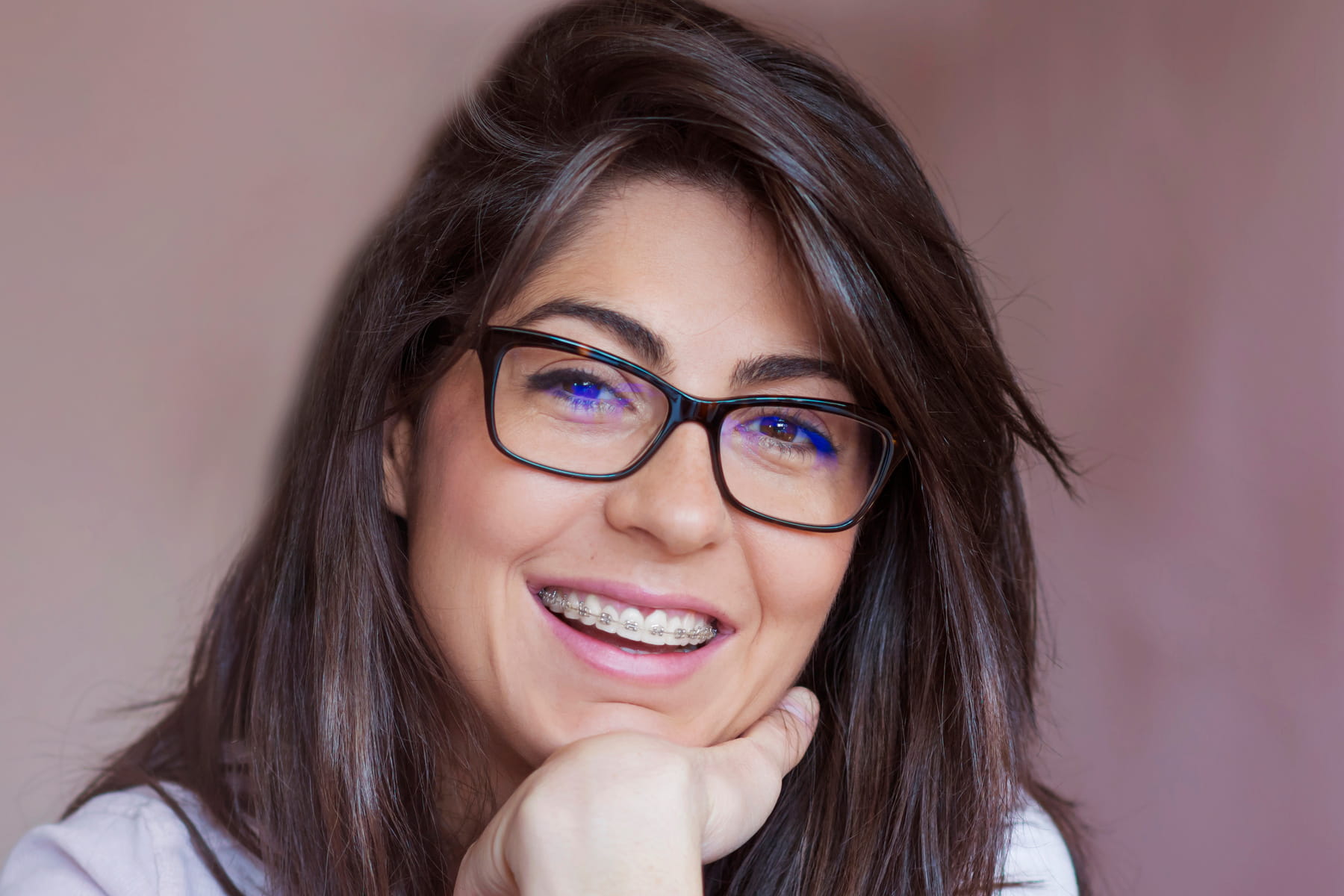
Invisalign vs Braces in Mentor, Ohio: Which Is Right for You?
If you are weighing Invisalign vs braces here in Mentor, Ohio, the honest answer is that both can give you a straight, healthy smile, and the right choice depends on your teeth, your goals, and how treatment fits your daily life. At Kmentt Orthodontics, our father-daughter team treats patients of every age with both appliances, so we can be genuinely neutral about which one wins. Traditional metal braces stay fixed to your teeth and handle almost any correction, while Invisalign clear aligners are removable and nearly invisible. There is no single right answer for everyone, but there is a right answer for you, and it usually becomes clear once we look at your bite. Below, we walk through how the two options compare on speed, comfort, cost, and the kinds of cases each one solves best, so you can walk into your first visit already knowing the right questions to ask.
This Article Will Address
- Whether Invisalign is actually better than braces
- The real pros and cons of clear aligners and braces
- Which choice tends to straighten teeth faster
- Which option is usually more comfortable to wear
- When a complex case still calls for braces
Is Invisalign Better Than Braces?
Neither one is universally better; the best option is the one that fits your specific bite and lifestyle. Invisalign tends to shine for people who want a discreet, removable appliance and have mild to moderate crowding or spacing. Adult Invisalign is especially popular with professionals who would rather not draw attention to their teeth straightening, since most people will never notice the aligners at all. Braces have the edge when a case involves significant rotations, wide gaps, or bite problems that need steady, around-the-clock force that does not depend on remembering to put anything back in. Both work well for teens and adults alike, and either one can be paired with retainers afterward to hold your new smile in place. Because we offer both, our recommendation is never driven by what we happen to sell; it is driven by what will move your teeth efficiently and predictably. During a consultation with Dr. Ashleigh Kmentt, a board-certified orthodontist, we map your teeth with 3D scanning and show you what each path would actually look like for you. That personalized, non-cookie-cutter approach is how we help adults, teens, and younger children settle on a plan they feel good about.
What Are the Pros and Cons of Each?
Here is the short version: clear aligners tend to win on looks and convenience, while traditional braces win on raw versatility and hands-off consistency. The pros and cons of Invisalign and of braces break down like this.
- Invisalign pros: nearly invisible in daily life; removable for eating, brushing, and flossing; no brackets or wires to irritate cheeks and lips; usually fewer emergency visits.
- Invisalign cons: must be worn 20 to 22 hours a day to work; easy to misplace when left out of the mouth; not ideal for the most complex tooth movements; success leans heavily on your discipline.
- Braces pros: handle nearly every type of correction; work without relying on daily compliance; often lower cost up front; available with tooth-colored brackets for a subtler look.
- Braces cons: more noticeable on the teeth; a list of foods to avoid; the occasional poking wire; brushing carefully around brackets takes extra effort.
Cost of braces and clear aligners usually lands in a similar range for comparable cases, and we go over pricing and payment options openly before you commit, so nothing about the financial side is a surprise. If you have been searching for clear aligners in Mentor, OH, know that we fit the plan to your bite rather than forcing your bite into a template.
Which Works Faster, Braces or Clear Aligners?
Neither option is reliably faster than the other; treatment time depends far more on your case than on the appliance you pick. Most patients finish somewhere between 12 and 24 months, and simple corrections can wrap up sooner. When it comes to clear aligners vs braces on speed, a few factors move the timeline more than the appliance itself:
- How far your teeth actually need to travel
- Whether your bite needs correcting, not just the alignment of the front teeth
- How consistently you wear your aligners or keep your appointments
- Your age and how readily your bone remodels around the roots
- Whether earlier interceptive Phase 1 work already created the space you need
Because those factors vary so much from person to person, the only reliable timeline is the one we build for you after seeing your teeth in person and reviewing your images. Chasing a faster number by choosing the wrong appliance almost always backfires.
Which Is More Comfortable to Wear?
For most patients, clear aligners feel a little gentler day to day, mainly because there are no brackets or wires rubbing against the inside of the cheeks and lips. That said, both options create some soreness, especially in the first few days after you start and in the day or two after each adjustment or aligner change, and that pressure is simply your teeth moving into place. Aligners are smooth and can be taken out for a big meal or a special photo, which many adults appreciate. Braces have come a long way too, with smaller brackets and gentler wires than years past, and a little orthodontic wax smooths over most rough spots while your mouth adjusts. Comfort also improves as you get used to either appliance, and the early tenderness fades within a week for most people. Over-the-counter pain relief and cold water handle the rest. Whichever you choose, any discomfort is temporary and manageable, and our team is only a phone call away if something needs attention between visits.
Can Invisalign Handle Complex Cases, or Do I Need Braces?
Invisalign can handle far more than it could a decade ago, including many moderate and even complex cases, but it is not the right tool for every situation. Severe crowding, very large gaps, significant bite discrepancies, and teeth that need major rotation or vertical movement sometimes respond better to braces, or to a combination approach that starts with one and finishes with the other. In certain surgical orthodontic cases, fixed braces give us the precise, stable control the plan depends on. This is exactly why an in-person evaluation matters more than any online quiz or mail-order kit, which cannot see the parts of your bite that make or break a result. We study your teeth, your jaw, and your X-rays, then walk you through the orthodontic treatment options that will get you the strongest result, whether that is aligners, braces, or a mix of both. With 150 years of combined experience on our team, we have seen the full range, and we will always tell you honestly what your case actually needs.
Compare Your Options with a Mentor Orthodontist
The best way to settle the braces-or-Invisalign question is to sit down with an orthodontist who treats both every day and can compare them on your actual smile. Kmentt Orthodontics is open and welcoming new patients of every age, and we would love to show you what a straighter smile could look like for you. Call us at 440-205-7500 or schedule a free consultation at our Mentor office, and we will lay out your choices in plain language. Double the doctors, double the smiles, and a plan built around you instead of a template.
Sources
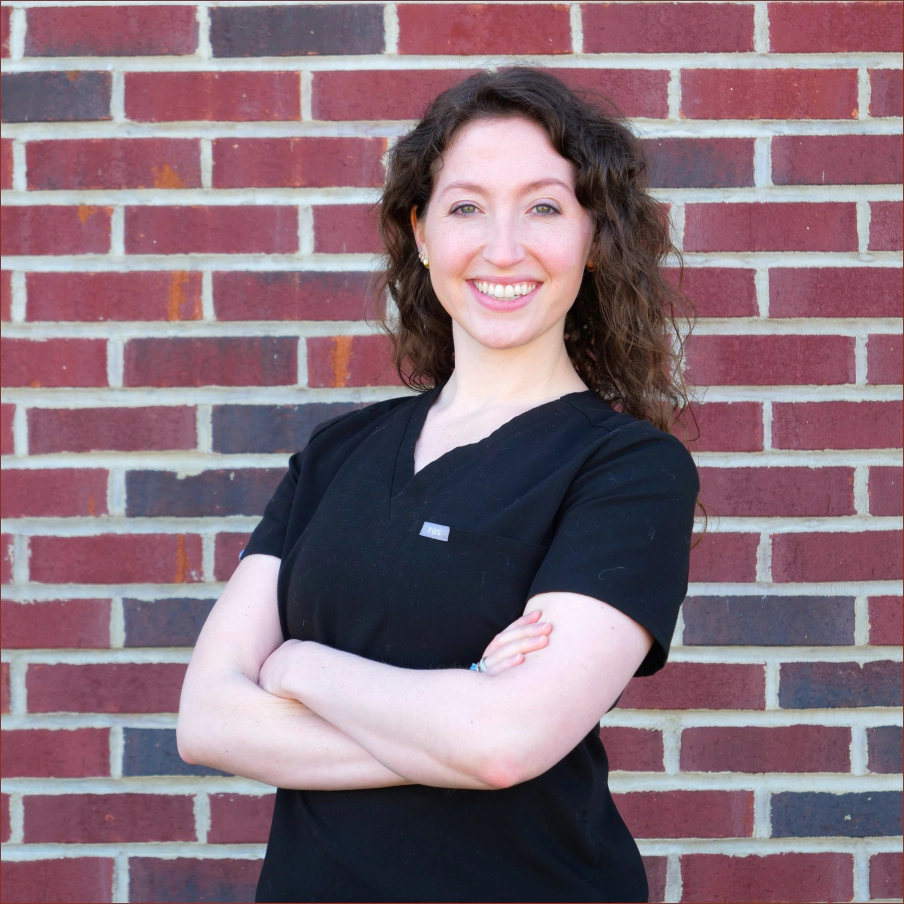
Meet Dr. Ashleigh D. Kmentt, DMD, MS
Dr. Ashleigh Kmentt brings careful attention and genuine encouragement to every smile, making each visit a positive experience so patients leave excited about their orthodontic journey. As a female orthodontist in a family-owned private practice in Mentor, OH, she offers children, teens, and adults a thoughtful, supportive perspective—helping them feel heard, informed, and comfortable from the first visit through their final result.
Dr. Ashleigh completed her undergraduate degree at Miami University as a Stamps Scholar, graduating Summa Cum Laude with Phi Beta Kappa honors. She earned her dental degree from Case Western Reserve University, graduating second in her class and serving as both Class President and Student Body President, before completing her orthodontic residency and a Master of Science in Oral Biology at the University of North Carolina at Chapel Hill.
A Diplomate of the American Board of Orthodontics, she has been recognized for her leadership, academics, and research, including the Milo Hellman Research Award for her master's thesis. Outside the practice, she's a proud Clevelander, an avid yogi and foodie, and a former assistant coach who helped guide Kirtland High School's women's soccer team to a 2020 Division 3 State Championship.